

Others
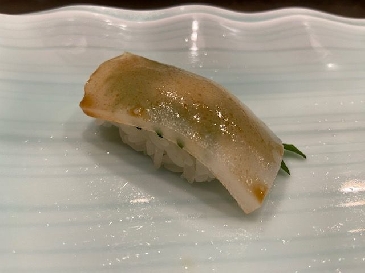

Maybe not squid
Konjac is approximately 97% water, with the remaining 3% containing water-soluble dietary fiber “glucomannan”, calcium, potassium, and other nutrients. It is a low-calorie food (about 5-6 kcal per 100g) and is considered a health food. It is expected to have effects such as regulating the intestinal environment, lowering cholesterol, and aiding weight loss by promoting a feeling of fullness.
【Can it supplement nutrients that vegans and vegetarians tend to lack?】
calcium
【Features】
Konjac (also known as konnyaku) has a uniquely soft and springy texture. Once solidified, it becomes insoluble in water and exhibits strong elasticity. The basic process involves boiling konjac yam, mashing it, mixing it with a solidifying agent (an alkaline substance like baking soda), shaping it, and then boiling it again. In Western countries, it is primarily known as a diet food due to its extremely low calorie content (5-7 kilocalories per 100g) and rich content of glucomannan, a type of dietary fiber.
【Sushi】
A texture reminiscent of eating a squid nigiri with shiso.
【Umami Components】
None
【Five Methods/Five Colors/Five Flavors】
None/White/
【Seasoning】
Wasabi, Shiso, Lemon Juice
Shiso is a vegetable exceptionally rich in calcium, containing approximately 230mg per 100g, boasting one of the highest calcium contents among vegetables. Lemon juice's main nutrients are abundant vitamin C and citric acid, which aids fatigue recovery. It also contains potassium.