

Others
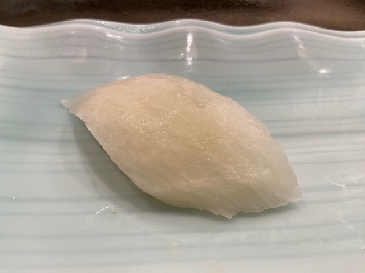

Daikon radish pickled with malted rice (Bettara zuke)
【Can it supplement nutrients that vegans and vegetarians tend to lack?】
Bettara-zuke is gaining attention as a food rich in vitamin B12. A key feature is that this vitamin is produced during the fermentation process using rice koji, making it a potential source even in plant-based diets.
One serving of bettara-zuke pickles (approx. 5g) contains 0.6μg of vitamin B12. In this omakase course, you are consuming approximately 1g of nori seaweed. Combined with the betta-zuke, this provides a total of 1.2μg of vitamin B12. This means half of the daily recommended intake of vitamin B12 for adult men and women is supplied.
【Features】
The nutritional content of betta-zuke varies slightly by product. Per 100g, it contains approximately 50-90kcal, with a relatively high carbohydrate content (about 14-21g), with small amounts of protein and fat (0.1–0.9g each).
Its primary nutrient is carbohydrates (sugars). It contains enzymes derived from rice koji and beneficial bacteria, which may help regulate the intestinal environment. It also contains vitamin C and potassium, but its salt content (salt equivalent) is relatively high (about 2–3g), so caution is needed to avoid excessive intake.
【Sushi】
Bettara-zuke, a Tokyo specialty pickle characterized by the sweetness of koji and the crunchy texture of daikon radish, is used in sushi as a topping for rolls, pressed sushi, and nigiri sushi, or as a finishing dish. It pairs exceptionally well with vinegared rice, its refined sweetness adding a delightful accent. It allows for diverse arrangements, such as combining it with fish like in “kabura-zushi” or adding the aroma of yuzu.
【Umami Components】
The umami in betta-zuke comes from salted daikon radish fermented in a koji bed made from rice koji and amazake. During this fermentation, enzymes in the rice koji break down the daikon's proteins, generating and increasing various amino acids, including glutamic acid. Fermentation also produces organic acids like succinic acid, which together form its complex umami and flavor profile.
【Five Methods/Five Colors/Five Flavors】
Raw (sliced)/White/Sweet
【Seasoning】
Wasabi