

Others
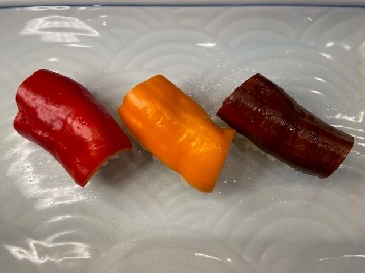

Fruit Paprika (Fruit Bell pepper)
【Can it supplement nutrients that vegans and vegetarians tend to lack?】
Paprika (Bell pepper) contains vitamins A, C, and E, whose synergistic effects boost antioxidant power and offer anti-aging benefits. Red paprika, in particular, is rich in capsanthin, which is believed to help prevent cancer and arteriosclerosis. The effects of vitamins C and E also include maintaining beautiful skin and protecting the mucous membranes of the eyes.
【Color】
Green: Unripe
Red: High sugar content and intense sweetness. Rich in capsanthin and beta-carotene.
Yellow: Contains high levels of lutein, a nutrient linked to preventing skin aging. The taste is a refreshing sweetness with a slight tartness, offering a lighter flavor profile than red paprikas.
Orange: Combines the nutrients of both red and yellow paprikas. The taste is sweeter than yellow and closer to red paprikas.
Purple: Contains anthocyanins.
【Characteristics】
Sweet paprika (also known as fruit peppers) are characterized by their high sugar content of around 8 to 10 degrees Brix, giving them a distinctly fruity sweetness. They have almost none of the characteristic bitterness or grassy flavor of regular bell peppers. Their taste sets them apart from standard bell peppers and green peppers, making them excellent for eating raw. They come in vibrant colors like red, yellow, and orange, making them superb for adding color to dishes.
Representative varieties of fruit peppers include the sweet, mini-sized “Papumaru” (red, yellow, orange), the thick-fleshed, cooking-friendly “Señorita” (red, orange, gold), the tender ‘Papurina’ suitable for raw consumption, and the high-sugar “Pulluchino” available in various colors.
【Sushi】
Fruit paprikas are characterized by their sweetness and crisp texture, adding color and a textural accent to sushi. Furthermore, whether cooked or eaten raw, their natural sweetness components soften the acidity of the vinegar, balancing the overall flavor profile. This makes them a vegetable that pairs exceptionally well with sushi.
【Umami Components】
They contain glutamic acid, a key umami component in vegetables, which adds depth to their flavor. Packed with nutrients, they contain about twice the vitamin C and about three times the carotene of regular bell peppers. They are also rich in vitamin C, known for its skin-beautifying effects.
【Five Methods/Five Colors/Five Flavors】
Raw (Grilled)/Red, Yellow, Blue (Green), Black/Sweet
【Seasoning】
None