

Others

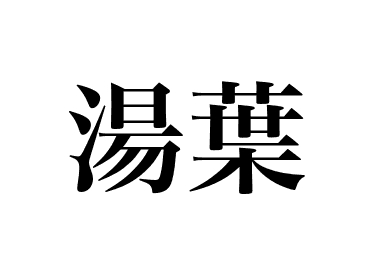
Soy milk skin (Yuba)
【Can it supplement nutrients that vegans and vegetarians tend to lack?】
None
【Features】
Yuba is a soybean-based food product made by heating soy milk (made from soybeans and water) and scooping up the thin membrane that forms on the surface using bamboo skewers or sticks to create sheets. Characterized by its smooth texture and rich soybean flavor, yuba is an essential ingredient in shojin ryori (Buddhist vegetarian cuisine) and kaiseki cuisine. It is mainly produced in Kyoto and Nikko, with Kyoto yuba being called “湯葉” and Nikko yuba being called “湯波”.
Yuba is rich in high-quality vegetable protein, B vitamins, minerals such as calcium, potassium, and magnesium, and dietary fiber.
Soy isoflavones are a type of polyphenol that act similarly to the female hormone estrogen, helping to create firm skin and prevent osteoporosis. Women should be particularly conscious of consuming this nutrient, as estrogen secretion decreases significantly after menopause.
Soy saponins are a type of polyphenol that give soybeans their bitter taste and astringency. They have strong antioxidant properties, suppress the oxidation of bad cholesterol, and are expected to be effective in preventing arteriosclerosis. They also help lower cholesterol and triglyceride levels.
Furthermore, raw yuba (per 100g) contains 13.7g of fat. Compared to other soy products, cotton tofu (per 100g) contains 4.9g, raw okara (per 100g) contains 3.6g, and soy milk (per 100g) contains 2.0g, showing that yuba has a high fat content.
【Sushi】
There are various ways to enjoy yuba: as nigiri sushi made with fresh yuba, as a topping for chirashi sushi, wrapped around sushi rolls instead of nori, or seasoned with soy sauce koji, dashi soy sauce, or ume shiso.
【Umami Components】
Glutamic acid: approx. 4,500 mg
Aspartic acid: approx. 2,900 mg
【Five Methods/Five Colors/Five Flavors】
Cut/Yellow/Sweet
【Seasoning】
Soy sauce koji・Wasabi・Dashi soy sauce・Umeboshi shiso